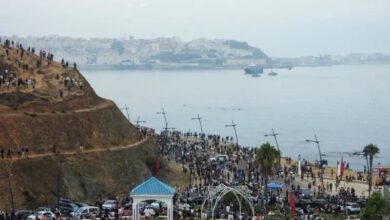
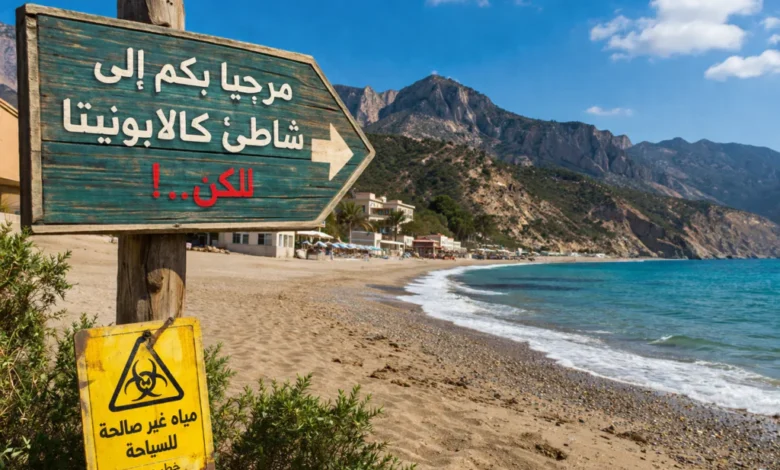
The latest classification of bathing water quality in Morocco has revealed worrying indicators regarding the coastal environmental situation in the Al Hoceima province, as four of its most famous beaches have been classified among the list of beaches unsuitable for swimming: Cala Bonita, Quemado, Sfiha, and Torres.
This classification comes at a sensitive time with the approach of the summer season, which is a key driver for tourism and the local economy, raising concerns about the impact of pollution on the region’s attractiveness as a tourist destination.
Despite this problem recurring annually, the question remains: what measures have officials taken to address it?
Instead of being satisfied with the appearance of clear water, focus must be placed on real risks, such as bacteria, viruses, and parasites that can cause skin and intestinal diseases. These pollutants are not visible to the naked eye, and they don’t need to be ‘dinosaur-sized’ to be dangerous.
In addition, beaches suffer from other pollution including microscopic human waste, pharmaceutical residues, cosmetics, chemical and organic substances, microplastics, and heavy metals, making them unsafe for swimming even if the water appears clean.
The Ministry of Energy Transition and Sustainable Development reported that the Tangier-Tetouan-Al Hoceima region includes 11 polluted beaches out of 22 classified beaches nationally, making the northern coastline one of the areas most affected by marine pollution. The ministry attributed the causes of this situation to the discharge of untreated wastewater, increased human activity during the summer, and inadequate sanitation and wastewater treatment infrastructure. However, some beaches remain suitable for swimming, such as: Achekar, Bouqassem, Mrisat, and Soul.
The issue goes beyond the beauty of the beaches to become a matter of health and safety for citizens and visitors, which calls on the Al Hoceima Municipal Council, in particular, to take urgent and effective measures before each summer season to ensure a safe coastal environment and preserve Al Hoceima’s status as a distinctive tourist destination.