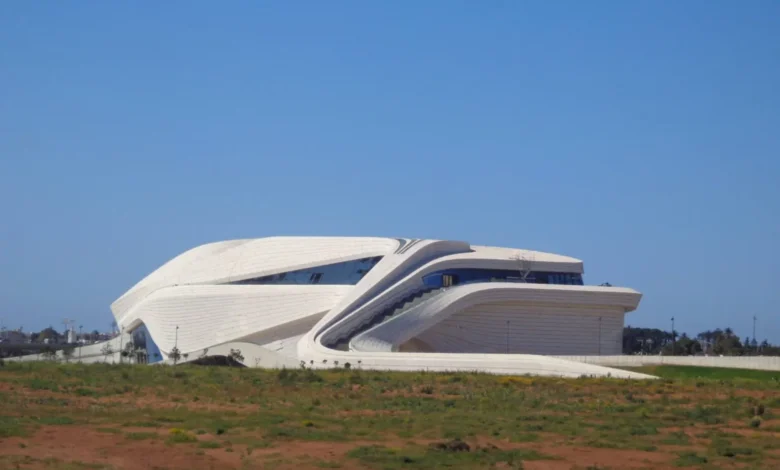
The YAZ Association of Moroccan Producers issued an official statement expressing its dismay over the absence of Amazigh-speaking creators and cultural figures from the opening ceremony of the Grand Theater in Rabat, which took place on Wednesday April 22, 2026, under the patronage of Princess Lalla Hasnaa, and attended by Princesses Lalla Meryem and Lalla Khadija, as well as Mrs. Brigitte Macron.
The association noted that it had followed the event, and pointed out that the Ministry of Culture had invited representatives of cultural, artistic, and national media organizations to attend—yet Amazigh-speaking creators and theater professionals were absent from the occasion.
The association considered this absence to raise questions about the selection criteria used, especially given that Amazigh creators—actors, directors, producers, and theatre professionals—constitute an active part of the national cultural scene.
The association also reminded that such practices contradict the spirit of the Moroccan constitution, which enshrines linguistic and cultural diversity as a cornerstone of national unity, as well as the royal directives aimed at valuing various artistic and literary expressions without discrimination.
In conclusion, the association called for adopting an inclusive and equitable approach in major official events, ensuring the presence of all components of the Moroccan cultural field, and truly reflecting the richness and diversity of the national identity. It also urged a review of cultural management mechanisms to guarantee balanced recognition of Amazigh culture and language.The inauguration of the Rabat Theater was meant to celebrate culture, creativity, and national identity. Yet, once again, Amazigh voices were absent.
No Amazigh filmmakers. No Amazigh artists. No representation of a culture that is not a minority add-on, but a foundational pillar of this country’s identity.
How do you open a national cultural institution while excluding one of the oldest and richest cultural expressions of the land?
This is not just an oversight — it reflects a deeper, ongoing issue of marginalization.
A true cultural renaissance cannot exist without inclusion. And Morocco’s story cannot be fully told without its Amazigh roots.
See the statement below from the Yaz Association of Moroccan Producers: