As part of an ambitious health plan led by the provincial governor with the approval of the Ministries of Interior and Health, a new phase of role redistribution between two hospital institutions is being launched, with the goal of bringing specialized care closer to citizens and easing pressure on the healthcare system.
The health sector in Nador Province is witnessing a significant strategic transformation, as local authorities move toward a comprehensive restructuring of the hospital system. This is based on the principle of specialization and division of responsibilities between the province’s two main health institutions. This approach is the fruit of careful planning and high-level institutional consultation, with the primary and ultimate aim of improving the quality of medical services and delivering them to the widest possible segment of the population.
Selouane to Host the New Regional Hospital Center
This plan hinges on a modern regional hospital center completed in the municipality of Selouane, equipped to high medical and technical standards, with a capacity designed to keep pace with the growing demand for healthcare in the province. This modern health facility forms the essential pillar that allows for a redefinition of the role of Hassani Regional Hospital and a more precise and effective determination of its specializations.
Hassani: From General Hospital to Specialized Hub
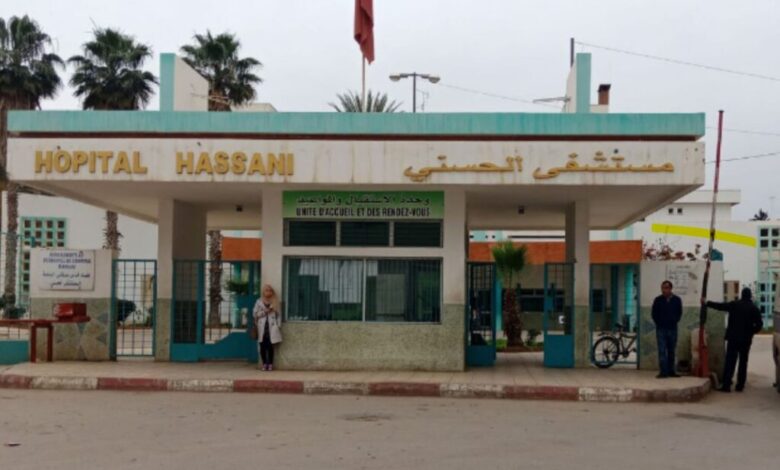
Based on a proposal by the Governor of Nador Province — which received the approval of both the Ministries of Interior and Health — Hassani Provincial Hospital will be rehabilitated to take on precisely defined specialized functions. Its internal capacity is mapped out according to a clear formula: 60% allocated to an oncology center, with the aim of providing specialized care for cancer patients within the province and reducing the burden of repeated travel to the city of Oujda; and 40% dedicated to mental health, through the creation of humane and appropriate therapeutic spaces to receive various cases of psychological and psychiatric disorders, while ensuring comprehensive medical care that upholds the dignity and human dimension of patients.
Emergency Department: The Link Between the Two Institutions
Added to this specialized structure is the establishment of an emergency department within Hassani Hospital, responsible for receiving urgent cases, conducting initial assessments, and directing those requiring transfer to the hospital center in Selouane. This operational link helps accelerate medical response and avoid the bottleneck that hospital medicine suffers when roles overlap and cases pile up in a single department.
“Specialization is not a luxury in the healthcare system — it is a necessity dictated by epidemiological shifts and the demands of modern care. A cancer patient in Nador will no longer have to travel hundreds of kilometers in search of treatment.”
Real Stakes Behind an Administrative Decision
Behind the percentages and figures lie profound human stakes. The cancer patient who was once forced to travel to Oujda for chemotherapy sessions or specialized medical follow-up will soon find comprehensive services within their own province. Similarly, mental health patients — who often face social stigma on top of their illness — will be provided with a dignified therapeutic environment that preserves their dignity and ensures regular follow-up care.
This new operational equation between Hassani and the Selouane center is expected to produce a more flexible and efficient healthcare system — one in which roles complement rather than conflict with one another, and cases are distributed according to precise medical criteria rather than situational pressure or geographic proximity.